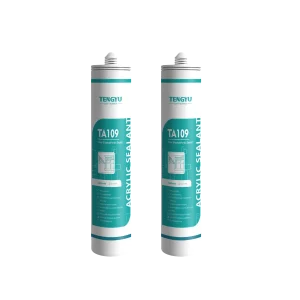
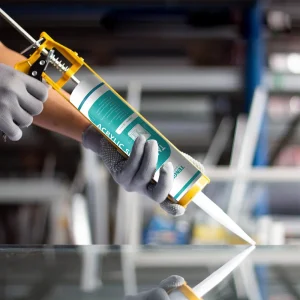
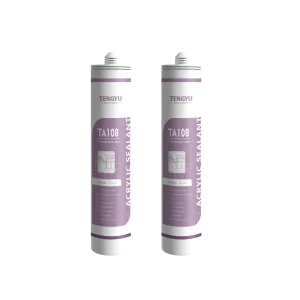
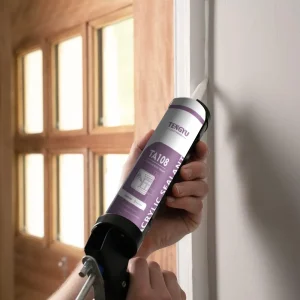
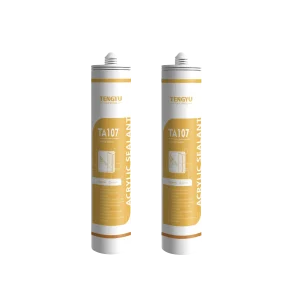
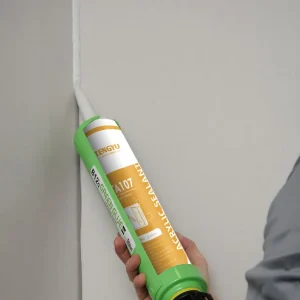
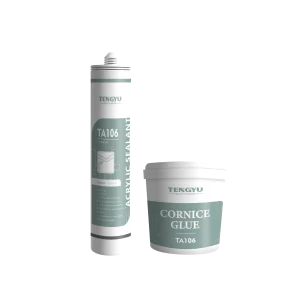
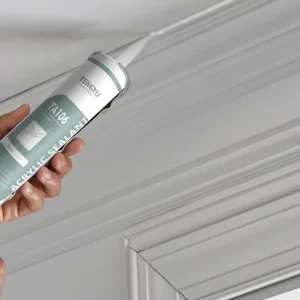
For distributors, contractors, and bulk buyers, product performance does not begin at the construction site, but rather with the storage of the sealant. If acrylic caulking sealant is stored improperly, it may develop a skin, experience a decline in adhesion, or even result in the entire batch being scrapped.
Storage Risks That Must Be Taken Seriously in Construction Projects
- Temporary on-site warehouses lack temperature control (high temperatures in summer / low temperatures in winter)
- Full containers of sealant exposed to prolonged sunlight or moisture
- Sealant that has deteriorated prematurely but goes unnoticed and is applied directly to walls
- Batch mix-ups, making it difficult to trace the source of problems
These issues directly lead to:
- Premature curing of the sealant, preventing normal dispensing
- Reduced adhesion, resulting in cracking and peeling later on
- Bulk rework, increasing labor and material costs
- Customer complaints, affecting future business relationships
Bulk Acrylic Caulking Sealant Storage Management for Distributors and Contractors
To ensure the performance of water based acrylic sealant, store them in a closed, dry environment whenever possible. High temperatures and direct sunlight can particularly damage the chemical structure of the sealant. Please note the following:
- Store in a cool, dry place: Recommended storage temperature is 5–25°C. Must be stored upright (nozzle facing upward); do not store horizontally for extended periods or stack to avoid deformation
- Use pallets to elevate the product (≥10 cm). The warehouse floor must be treated to prevent moisture; during the rainy season, increase ventilation or implement dehumidification measures.
- Risk of freezing: Freezing conditions may render the product unusable; therefore, exposure to low temperatures must be prevented.
- Durability and shelf life: The shelf life of acrylic sealants is typically 12 months, but the expiration date specified by the manufacturer must be followed. Use the product as soon as possible after opening. Over time, the product may harden or lose its performance.
- Use products in chronological order, prioritizing older inventory for dispatch
- It is recommended to conduct random inspections of each incoming batch to check for smooth dispensing, the presence of lumps or separation, and abnormal viscosity
Contact us immediately to obtain storage and application solutions for acrylic latex sealants tailored to your engineering needs or projects.