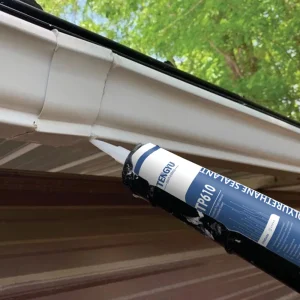
Selecting the right architectural sealant depends on more than color or material compatibility. In construction projects, one of the most commonly overlooked factors is the sealant’s “movement class.” Selecting the wrong class can lead to premature failure, cracking, delamination, and even water infiltration issues.
Tengyu Chemical supports contractors and distributors in selecting suitable sealant systems for different construction conditions.
Different types of building joints have varying requirements for a sealant’s movement capacity. This guide explains how sealant movement requirements vary across different applications.
What is a Sealant Class?
Sealant class describes how much joint movement a sealant can accommodate while maintaining adhesion. The higher the class, the greater the range of movement the sealant can accommodate.
Joint movement is caused by:
- Temperature fluctuations;
- Thermal expansion and contraction of materials;
- Structural loads;
- Vibration;
- Extreme weather conditions.
Low-movement applications
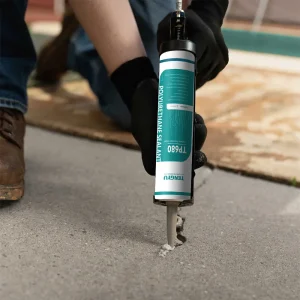
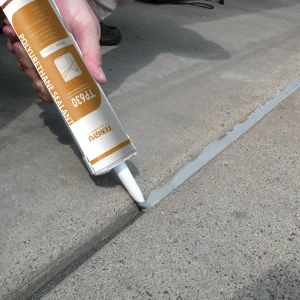
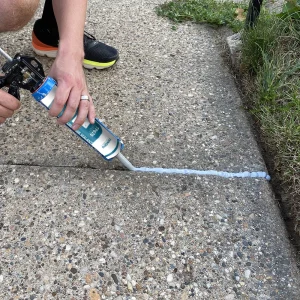
Low-movement grade sealants are primarily used for joints in structurally stable applications or where only minimal movement occurs. The focus is on waterproof sealing and crack repair, rather than accommodating structural deformation.
Typical Applications:
- Lightweight concrete joints indoors and outdoors
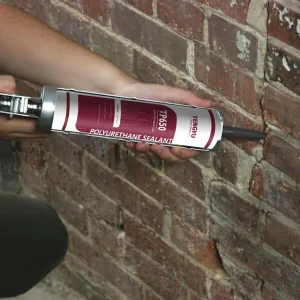
- Non-load-bearing brick wall joints
- Joining small precast components
- Residential foundation sealing
Medium to high-movement applications
Capable of accommodating significant thermal expansion and contraction as well as structural micro-movements, suitable for outdoor and long-term exposed environments.
Ideal Applications:
- Building exterior walls and structural joints
- Bridge and tunnel engineering
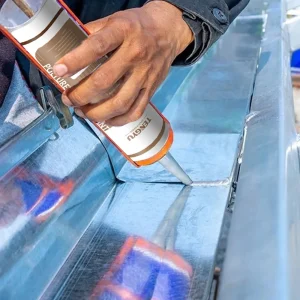
- Roofing and drainage systems
- Hydraulic engineering structures
- Storage tanks, containers, and industrial facilities
Key Advantages:
- Provides long-term flexibility under thermal movement.
- Excellent UV resistance
- Long-term durability
Recommended Products:
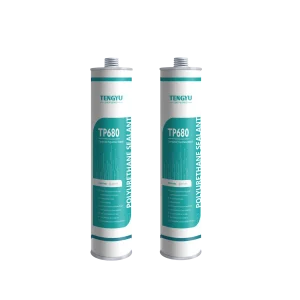
✔ TP680 Moisture Cure Polyurethane Sealant
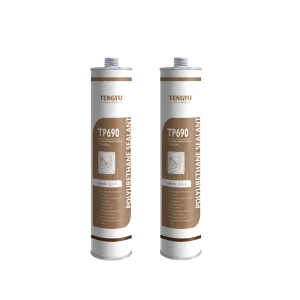
✔ TP690 Modified Polyurethane Concrete Crack Sealant
✔ TP680 Moisture Cure Polyurethane Sealant
✔ TP690 Modified Polyurethane Concrete Crack Sealant
High-movement / critical applications
Special Applications:
- Subway and tunnel engineering
- Basement waterproofing systems
- Building expansion joints
Advantages:
- Ultimate performance
- Outstanding movement adaptability
- Extremely long service life
- Provides higher safety for high-risk projects
Recommended Products:
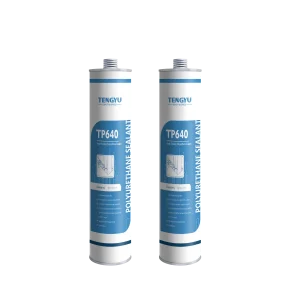
TP640 Water-swelling Polyurethane Sealant For Expansion Joints
TP640 Water-swelling Polyurethane Sealant For Expansion Joints
Our technical team supports product selection based on project conditions and application requirements. We can assist contractors, distributors, and wholesalers in selecting the most suitable products based on specific application scenarios and construction conditions.
For additional technical documentation or product selection support, please feel free to contact our team of technical experts at any time. We also offer technical consulting and product testing support to help customers select the most suitable sealant before construction begins.