Roof waterproofing is critical to the success of a project. Contractors must select materials based on the roof type, substrate, and environmental exposure; choosing the wrong materials can lead to cracks, leaks, and rework. This guide compares exposed and non-exposed roof systems.
What Is the Difference Between Exposed and Non-Exposed Roofs?
1.Exposed Roofs
Exposed roofs are those where the waterproofing coating is directly exposed to environmental factors, including:
- Ultraviolet (UV) radiation – Due to prolonged exposure to sunlight, weather resistance and UV protection are critical to preventing coating chalking and cracking.
- Rainwater and standing water
- Storms and dust storms – High adhesion.
- Temperature fluctuations – Temperature variations cause thermal expansion and contraction; waterproof coatings must possess high elasticity and tear resistance.
- Thermal cycling – Micro-cracks may form in concrete substrates. Flexible coatings can prevent moisture penetration.
Typical Applications:
- Unprotected flat concrete roofs
- Metal roofing systems with waterproof coatings
- Industrial plant roofs
2. Non-exposed Roofs
The waterproofing layer on non-exposed roofs is typically covered by a protective layer; performance requirements must be considered during installation. Common covering materials include:
- Insulation boards
- Cement mortar layers
- Tiles or paving stones
- Green roof systems
Key performance requirements:
- Adhesion to the substrate: Once the waterproofing layer is covered, repairs become extremely difficult. Strong adhesion is critical.
- Compressive strength: To support insulation boards or paving materials, the waterproof coating must resist deformation.
- Long-term chemical stability: Insufficient material stability can accelerate deterioration due to trapped moisture.
For example:
- Inverted roof systems
- Roof gardens
- Ballasted membrane roof structures
Roof Waterproof Coatings for Exposed Roofs
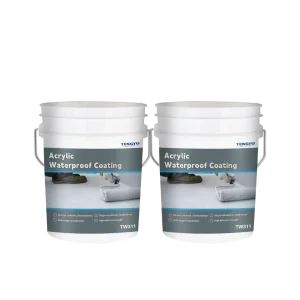
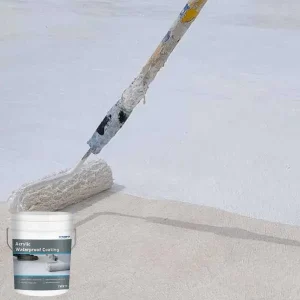
1.Acrylic Waterproofing Roof Coating
With its high elasticity, weather resistance, waterproofing properties, and ease of application, acrylic waterproof coating is ideal for exposed waterproofing applications such as roofs, exterior walls, and metal structures. It is not suitable for areas prone to prolonged water accumulation.
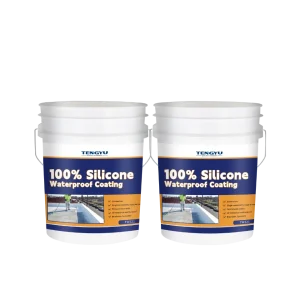
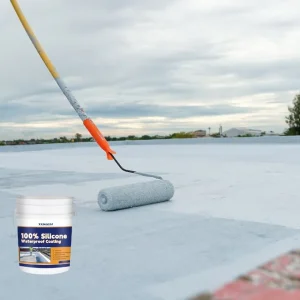
2.Silicone Waterproof Roof Coating
Revestimiento impermeable de silicona offers excellent weather resistance and impermeability.
With exceptional UV resistance and weather resistance, they can withstand temperature fluctuations and minor structural movements. They feature strong adhesion and are suitable for concrete and metal roofs. As a single-component product, they can be brushed or sprayed on, making them ideal for rapid application on large exposed roof areas.
Commonly used in hot climates or areas with intense sunlight.
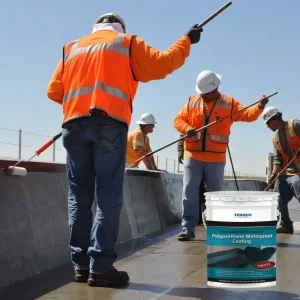
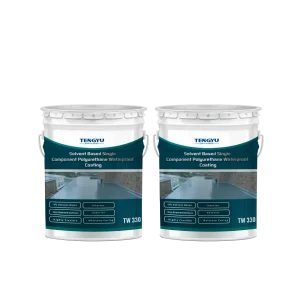
3.Polyurethane Waterproof Coating For Roof (Exposed Type)
Polyurethane waterproof coatings offer high tensile strength and elongation, resistant to high and low temperatures, with strong adhesion. Applied directly to concrete or brick roofs to provide stable waterproofing performance.
Commonly used on exposed concrete roof slabs.
Roof Waterproof Coatings for Non-Exposed Roofs
For systems not exposed to UV radiation, compressive strength and durability are more important than UV resistance.
Non-Exposed Polyurethane Waterproof Coating
Non-exposed oil-based polyurethane waterproofing coatings feature high elasticity, high strength, and excellent film formation, making them ideal for non-exposed environments such as basements, under roof protective layers, and bridge decks.
5 Common Mistakes Distributors Make When Selecting Roof Waterproofing Coating
Mistake 1: Focusing Only on Price While Neglecting Performance
Low-cost waterproofing coatings may save short-term costs, but long-term maintenance costs will be higher.
Mistake 2: Ignoring Regional and Climatic Conditions
Environments with extreme heat, cold, or frequent rainfall require waterproofing materials with strong weather resistance that are suited to the local climate.
Mistake 3: Misusing Materials
Using UV-sensitive coatings on exposed roofs accelerates aging, cracking, and waterproofing failure.
Mistake 4: Improper Substrate Preparation
If the surface is not cleaned, even high-performance waterproofing coatings will struggle to perform effectively.
Mistake 5: Ignoring Structural Changes
Temperature fluctuations and structural movement cause expansion and contraction, making rigid materials prone to cracking. High-elasticity coatings with excellent waterproof continuity should be used.
Tengyu Chemical — The Preferred Supplier for High-Performance Roof Waterproof Coatings
The performance of waterproofing materials depends not only on the formulation but also on the consistency of the production process. When selecting a reliable supplier, key considerations include production stability, quality control systems, availability of technical documentation, engineering support capabilities, and expertise in export and logistics.
Tengyu Chemical delivers professional waterproofing solutions to clients based on these core standards:
- Stable Production and Rigorous Quality Control: Ensuring consistent performance and long-term reliability across every batch.
- Comprehensive Technical Documentation Support: Providing technical data sheets, safety data sheets, and application guidelines to facilitate engineering implementation.
- Engineering and Project Support: A professional team offers application consulting and customized solutions to meet the needs of various roof structures and climatic conditions.
- Extensive Export and Logistics Experience: Support for OEM, private label, and export packaging solutions.
Product Range:
- Roof Polyurethane Waterproof Coating
- Acrylic Waterproof Coatings
- Silicone Waterproof Coatings
Contact Tengyu Chemical today to request product specifications, samples, or customized project proposals.