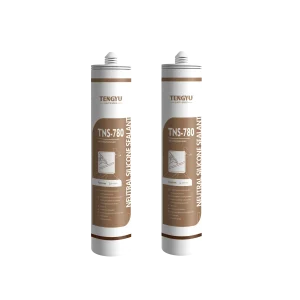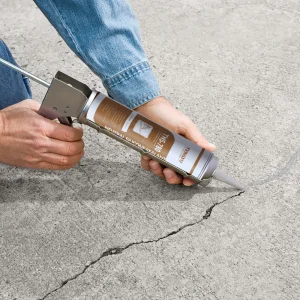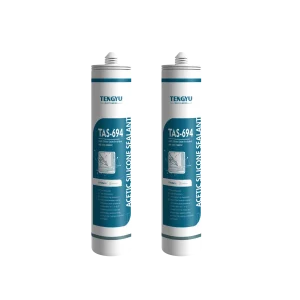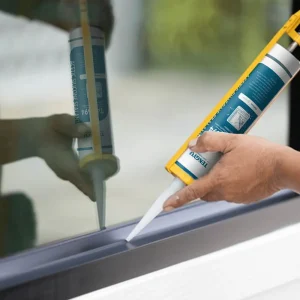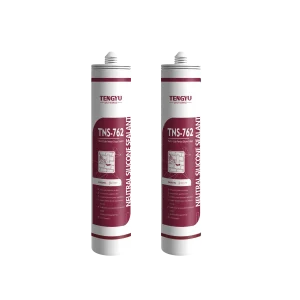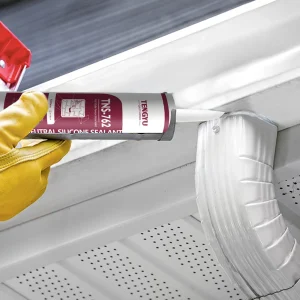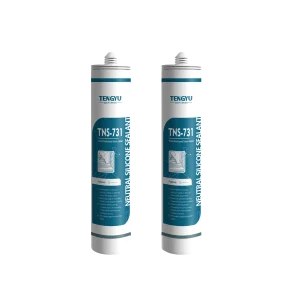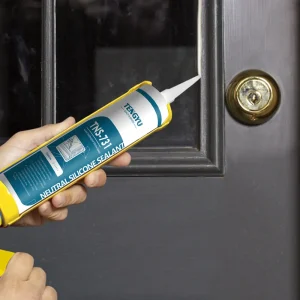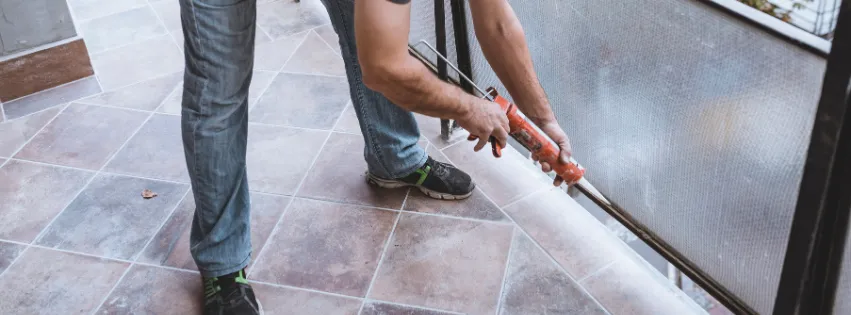
Contractors face yellowing and red discoloration in silicone sealants, affecting project quality and appearance. Choose high-quality, UV-resistant, non yellowing silicone sealants to minimize rework.
Why Does Silicone Sealants Change Color Over Time?
1. Ultraviolet Radiation
Prolonged exposure to ultraviolet radiation can damage the chemical structure of silicone caulk.
2. Chemical Reactions with Environmental Pollutants
Ozone from environmental pollutants can accelerate the degradation of silicone sealants.
3. High Temperature Exposure
Prolonged exposure to high temperatures can accelerate the degradation of low-quality silicone sealant.
4. Use of Inferior Additives
Cheap, low-quality silicone sealants may contain inferior additives that react more easily with UV light and pollutants, leading to discoloration.
5. Reaction Between Neutral and Acetic-cured Silicone Caulking
Incomplete separation of neutral and acidic silicone sealants during application can cause the joint sealant to yellow or redden.
6. Growth of Mold and Fungi
This mainly occurs in high-humidity areas such as bathrooms or kitchens. Mold growth can cause the sealant to yellow or even redden.
How to Prevent Silicone Sealant Discoloration?
Although silicone sealant discoloration is a common phenomenon, the following measures can minimize joint discoloration:
1. Choose High-quality Silicone Sealants
Select high quality silicone caulk with strong UV resistance and aging resistance. For contractors, it is essential to choose branded sealants that have been certified and tested, as their performance will be more stable.
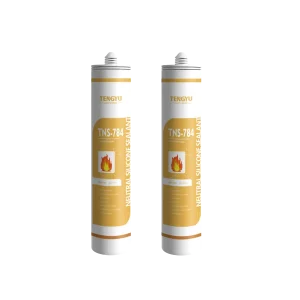
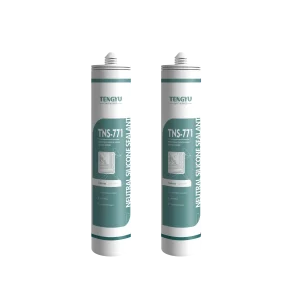
Tengyu Chemical (Longkou) Co., Ltd. specializes in the research and development and sales of acrylic, silicone, MS polymer, and polyurethane sealants, with over 10 years of industry experience. We provide OEM services and engineering sealant solutions and have been recognized by numerous high-quality customers worldwide.
2. Choose Mildew-resistant Silicone Sealants
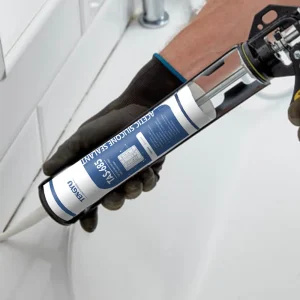
In high-humidity environments, such as bathroom and kitchen sealing projects, this minimizes the risk of mold growth and discoloration.
Contractors can prioritize Tengyu Chemical’s mildew resistant silicone caulk series, which has undergone rigorous weather resistance and mildew resistance testing and is suitable for long-term high-humidity environments.
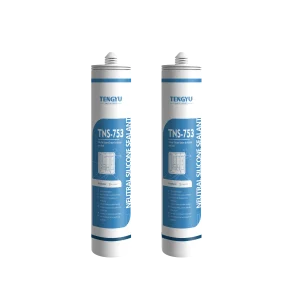
It is a 100% waterproof sealant with 10-year mold-free product protection. Ready for water exposure in as little as 30 minutes.
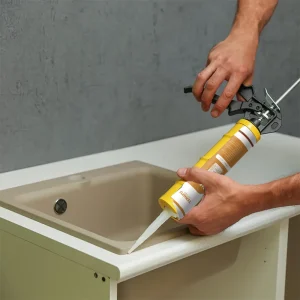
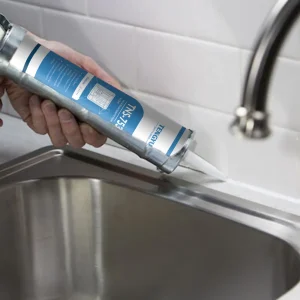
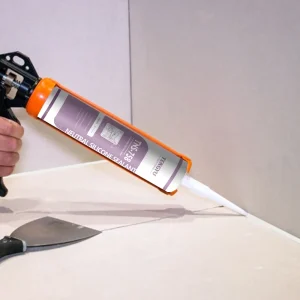
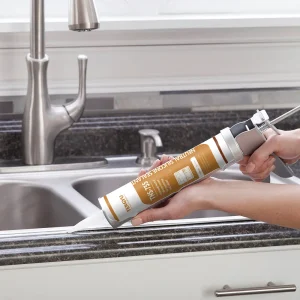
It is a 100% waterproof sealant with mold-free product protection. It is ideal for sealing sinks, tubs, showers, fixtures, countertops, backsplashes, and plumbing projects.
It is a premium performance 100% silicone sealant that provides 20 years of mold & mildew resistance. It won’t crack or shrink, providing a durable, permanent 100% waterproof seal.
| Product | Features | Best For |
|---|---|---|
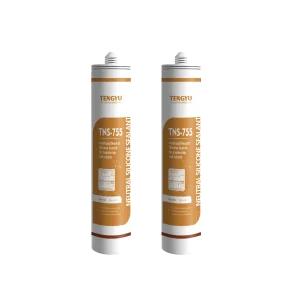
| TNS753 Kitchen & Bathroom | 100% waterproof, 10-year mold-free | Bathrooms & kitchens |
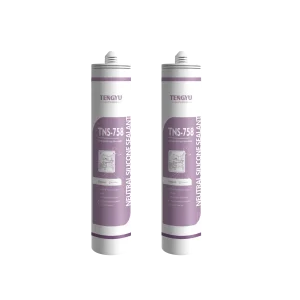
| TNS758 Countertop | Matte finish, waterproof, mold-free | Sinks, tubs, countertops, backsplashes |
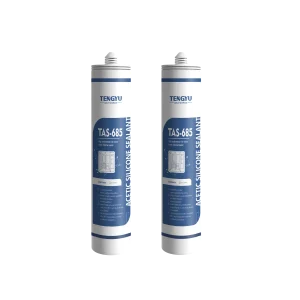
| TAS685 Anti-Mildew Acetic | 20-year mold & mildew resistance, permanent waterproof | Industrial & construction projects |
3. Avoid Contact Between Different Types of Sealants
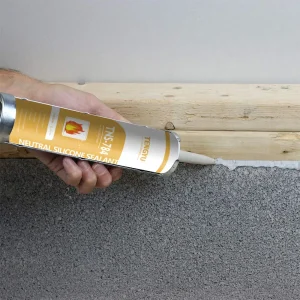
When using neutral-curing silicone, avoid contact with acidic silicone sealants to prevent chemical reactions that may cause discoloration.
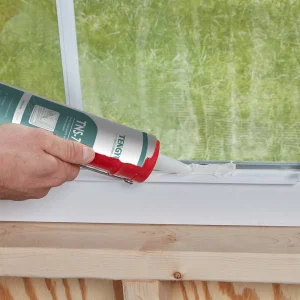
Choose Tengyu non-yellowing silicone sealants for long-term color stability, UV & mold resistance, and durable waterproofing. Ideal for construction, home renovation, or industrial projects. Contact us today for samples or bulk orders.