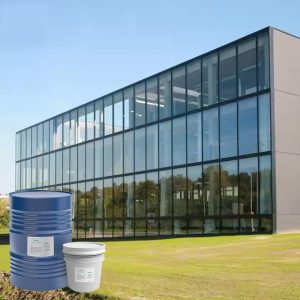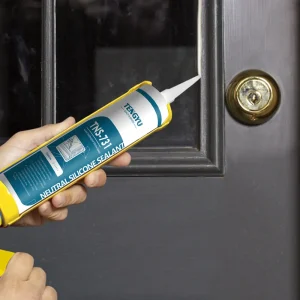
During the cold winter months, many building and curtain wall projects still need to proceed. For contractors and construction companies, construction at low temperatures remains a challenge. Effective application of silicone sealant directly affects the airtightness and durability of doors, windows, and curtain walls.
Today, let’s learn how to use silicone structural sealant in winter properly.
1.Problems encountered when using sealant in winter:
Winter temperatures are very low, which may lead to the following problems:
(1) Under low temperature and low humidity conditions, the curing and bonding speeds of silicone structural sealant are lower than normal, resulting in prolonged curing time and affecting construction progress.
(2) When the temperature is too low, the wettability of the structural glazing silicone sealant to the substrate surface decreases, and fog or frost may appear on the substrate surface that is difficult to detect with the naked eye, affecting the bonding performance between the silicone structural sealant and the substrate. How to effectively address the problem of applying silicone sealant at low temperatures in winter?
2. Countermeasures to slow down the curing of silicone sealant
(1) Take appropriate heating measures;
(2) Conduct surface drying time tests on one part structural silicone sealants to determine if it can cure in low-temperature environments.
(3) It is recommended to extend the curing period after application to ensure sufficient curing time.
(4) When purchasing sealant, pay attention to the application temperature of the
structural glazing sealant and choose high-quality silicone sealant.
3. Countermeasures to prevent silicone sealant bonding failure
(1) Conduct a bonding test before construction, and strictly follow the recommended bonding test method.
(2) If necessary, measures can be taken to increase the ambient temperature and humidity to reduce bonding failure.
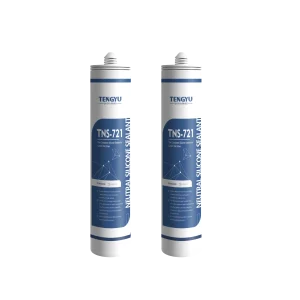
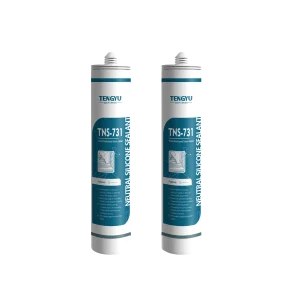
The challenge in winter is not the temperature, but the choice. Our low-temperature silicone structural sealant maintains excellent adhesion and flexibility at low temperatures, making it an ideal solution for winter construction.
👉 Contact structural silicone sealant factory now for professional silicone sealant solutions and product quotes!